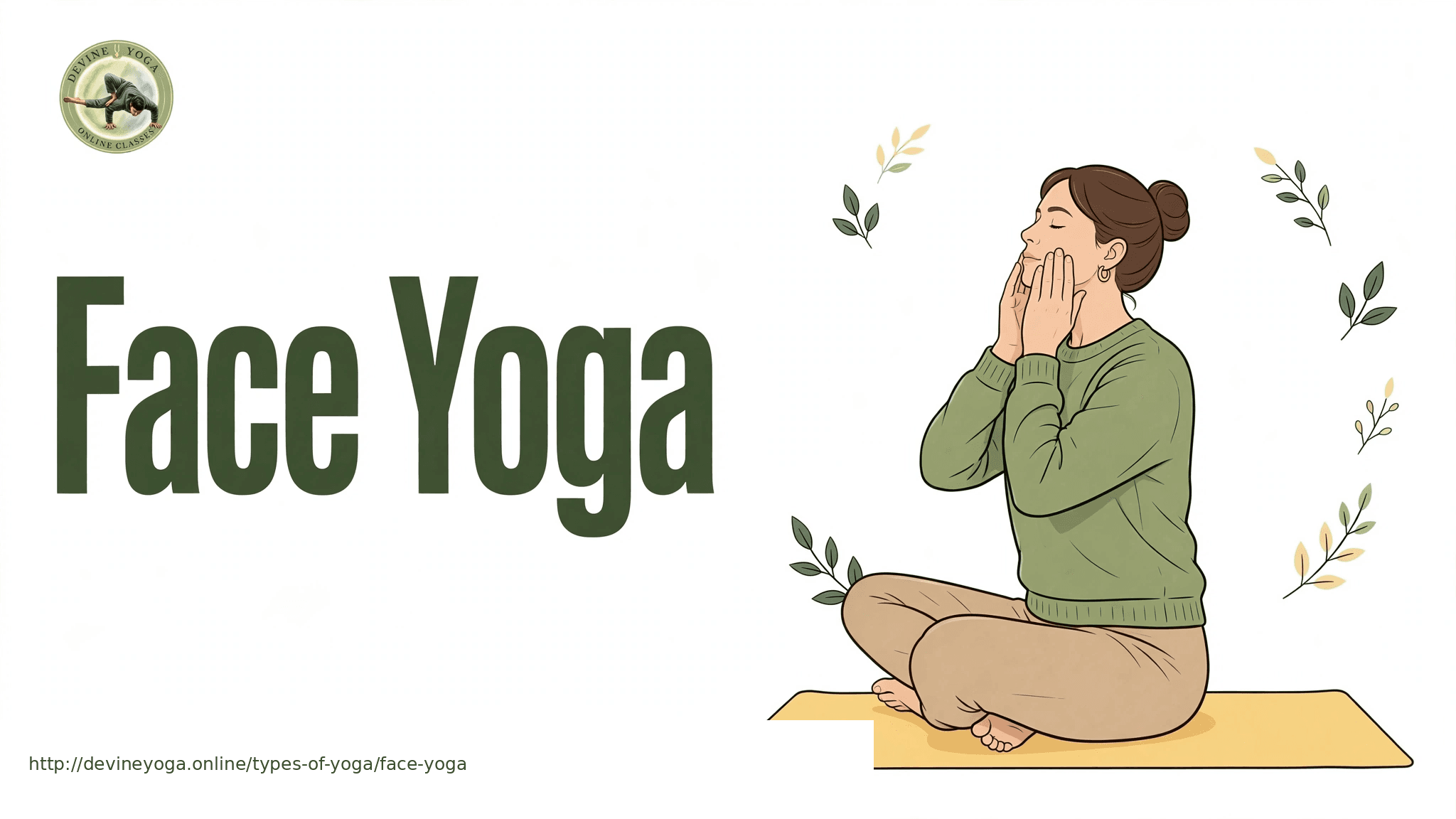
Face Yoga
Try a simple 10-minute face yoga routine. Learn the benefits, what the research really says, common mistakes and who should check with a doctor first.
Summarize this blog with:
What is face yoga?
Face yoga combines facial exercises, gentle self-massage, breathing and relaxation. You move and release the muscles of the forehead, eyes, cheeks, jaw and neck, usually for 10 to 15 minutes a day.
The name is borrowed from yoga because it uses the same ideas of mindful breathing, body awareness and regular practice. The exercises themselves are not described in classical yoga texts like the Yoga Sutras or the Hatha Yoga Pradipika. Face yoga is a modern practice, popularized in recent decades by various teachers and wellness programs.
What are the benefits?
Face yoga may help with:
- Muscle tone: Regular exercise may build the facial muscles, which can make the cheeks look fuller.
- Less tension: Many people hold stress in the jaw, forehead and eyes, and releasing it can feel relaxing.
- Circulation: Massage and movement may increase blood flow to the skin, giving a fresher look for some people.
- Posture and neck awareness: Many routines include neck and shoulder release, which helps desk workers.
- A calming ritual: The slow breathing and self-touch can be a short stress break.
- Mind-face awareness: You start noticing when you frown, clench or squint.
What does the research say?
The evidence is limited. A small 2018 pilot study from Northwestern University (Alam et al., JAMA Dermatology) followed 27 women aged 40 to 65 who did facial exercises for 20 weeks. It reported improvements in cheek fullness and a younger perceived age. The study was small, had no control group and was not about face yoga specifically.
So results are promising but not proven. Individual results vary, and effects take weeks or months, if they appear at all.
What face yoga cannot do
- It cannot remove wrinkles completely or reverse aging.
- It cannot burn fat from your face. Fat loss from one body area (“spot reduction”) is not supported by evidence.
- It cannot replace sunscreen, skincare, sleep or a balanced diet.
- It cannot treat skin disease, nerve problems or jaw disorders.
Be careful with programs that promise a “natural facelift” or a “slimmer jawline in days.”
A simple 10-minute routine
Wash your hands and face first. Use clean, dry or lightly moisturized skin, and keep touch gentle. Sit with a tall spine and breathe slowly.
- Relax (1 minute): Close your eyes, soften your jaw and take 5 slow breaths.
- Forehead smoother (1 minute): Place your fingers on your forehead and lightly stroke outward from the center, 10 times. Do not frown.
- Eye opener (1 minute): Look up, then gently widen the eyes and release. Do 8 slow rounds. Don’t squint.
- Cheek lifter (2 minutes): Smile with your lips closed and lift the cheeks toward your eyes. Hold for 5 seconds, release, and repeat 8 times.
- Jaw release (1 minute): Let the mouth hang slightly open and move the jaw gently side to side. Massage the jaw muscles with your fingertips in small circles.
- Lion’s face, Simhasana (1 minute): Inhale through the nose, then open your mouth wide, stick out your tongue and exhale with a soft “ha.” Repeat 3 times.
- Neck stretch (2 minutes): Lengthen the neck, tilt your ear toward your shoulder and hold for 5 breaths each side. Keep shoulders relaxed.
- Rest (1 minute): Close your eyes and breathe naturally.
Tips:
- Use light pressure. Never pull or drag your skin.
- Do it in front of a mirror at first, to avoid scrunching.
- Practice daily for 4 to 8 weeks before judging results.
- Take a photo before you start, in the same light, to check your progress honestly.
Common mistakes
- Pulling or tugging the skin. This can irritate it. Use a light touch and clean hands.
- Over-squinting or frowning. Repeated tight expressions can deepen lines. Keep movements smooth and relaxed.
- Overdoing it. Aching or sore facial muscles mean you’ve done too much.
- Skipping the neck and shoulders. Tension there affects the face.
- Expecting instant results. Changes, if any, are gradual.
- Using dirty hands or heavy oils. This can trigger breakouts.
Who should be careful?
Talk to your doctor or dermatologist first, and tell your teacher, if you:
- Have had Botox, fillers, facial surgery or laser treatment recently
- Have jaw pain, TMJ problems or teeth grinding that causes pain
- Have active acne, rosacea, eczema or any skin infection
- Have facial paralysis, Bell’s palsy or nerve problems
- Have a recent injury to the face, neck or head
- Feel pain, dizziness or tingling during practice
Stop if anything hurts.
Medical disclaimer: This article is for general education and is not medical or dermatological advice. Consult a qualified healthcare professional if you have a skin, jaw or nerve condition.
How does it compare with regular yoga?
| Face yoga | Regular yoga | |
|---|---|---|
| Focus | Face, jaw, neck | Whole body |
| Origin | Modern wellness practice | Ancient Indian tradition |
| Time | 10 to 15 minutes | 30 to 60 minutes |
| Main aims | Facial tone, tension release | Strength, flexibility, calm, fitness |
| Evidence | Early and limited | Broader, but still modest |
The two work well together. Many people do face yoga after a regular class, when the body is already relaxed.
Frequently asked questions
How long until I see results?
Some people feel less facial tension within days. Visible changes, if they happen, usually take weeks or months of regular practice.
Does face yoga reduce wrinkles?
Evidence is limited. It may improve muscle tone and circulation, but it will not erase wrinkles. Sun protection and skincare matter more.
Can face yoga slim my face?
It cannot target fat loss in the face. Some people notice a more defined look from reduced puffiness and improved muscle tone.
How often should I practice?
Daily practice for 10 to 15 minutes is common, but 3 to 5 days a week is fine for beginners.
Is it safe?
It is gentle and safe for most healthy adults when done with light touch. Check with your doctor if you have recent cosmetic procedures, skin conditions or jaw problems.
Try Face Yoga live. Your first 3 days are free.
Join a live Devine Yoga Online class: a real trainer watches you over video, corrects your poses by name and adapts every move to your body, beginners included.
More types of yoga
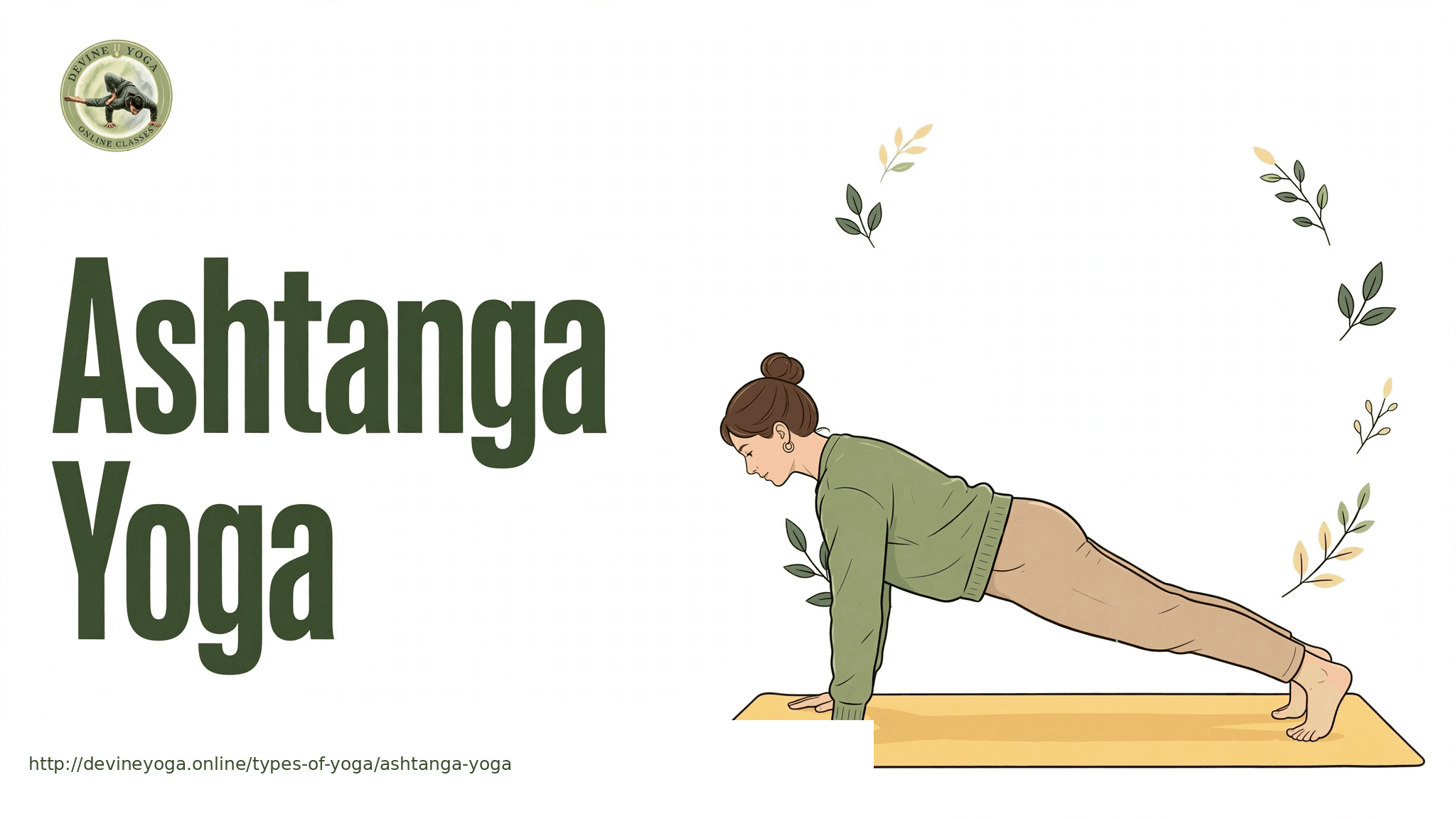
Ashtanga Yoga
Ashtanga yoga is a style in which you move through a set series of poses in a fixed order.
Explore More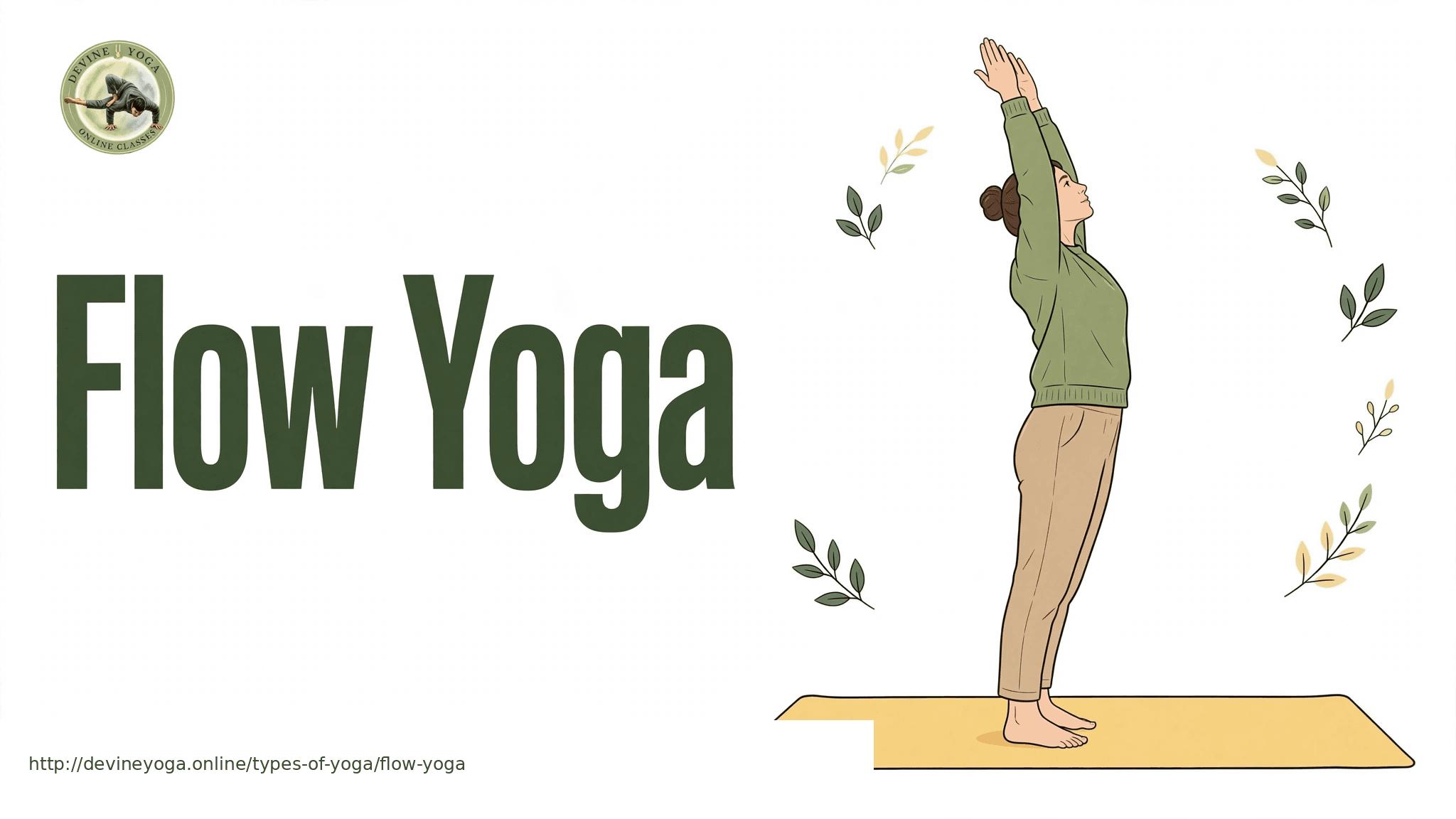
Flow Yoga
Flow yoga, also called vinyasa flow, is a style in which poses are linked together in a continuous sequence.
Explore More
Prenatal Yoga
Prenatal yoga is a gentle practice designed around the changes of pregnancy: a growing belly, a shifting center of balance, looser joints and…
Explore More