Ashtanga Yoga
Learn what Ashtanga yoga is, how its fixed series works, the benefits, a 20-minute beginner sequence and who should take care. Practise live with a trainer.
Summarize this blog with:
What is Ashtanga yoga?
Ashtanga yoga is a style in which you move through a set series of poses in a fixed order. Each movement is linked to a breath, so the practice flows without long pauses.
The word ashtanga means “eight limbs” in Sanskrit. It points to the eight-step path of yoga described in Patanjali’s Yoga Sutras, which includes ethics, postures, breathing and meditation. As a style, Ashtanga is mostly the physical practice taught by K. Pattabhi Jois.
Where does it come from?
Ashtanga was popularized by K. Pattabhi Jois (1915 to 2009) in Mysore, India. He learned from his teacher, T. Krishnamacharya, and later taught students from around the world. It spread to the West from the 1970s and influenced many modern flow and power yoga classes.
What makes Ashtanga different?
Five things set it apart:
- Fixed sequence: The poses are always in the same order, so you can track your own progress.
- Vinyasa: You link poses with breath-based movement, such as stepping or jumping back.
- Ujjayi breath: A slow, soft breath through the nose that makes a gentle sound, like ocean waves.
- Bandhas: Light internal engagement of the pelvic floor and lower belly for stability.
- Drishti: A set point to rest your eyes in each pose, which helps focus the mind.
What are the Ashtanga series?
There are six series. Almost everyone starts with the Primary Series.
| Series | Focus |
|---|---|
| Primary | Forward folds, hips and hamstrings |
| Intermediate | Backbends and deeper spine work |
| Advanced A to D | Strength, balance and arm balances |
A full Primary Series takes about 90 minutes, so most beginners learn a shorter version first.
What are the benefits?
Ashtanga may help with:
- Strength: Repeated sun salutations work your arms, shoulders, core and legs.
- Flexibility: Regular folds and hip work gradually improve your range of motion.
- Stamina: The steady flow raises your heart rate and builds endurance.
- Focus: Counting breaths and holding your gaze keeps your mind on one thing.
- Routine: The same sequence makes it easier to build a daily habit.
- Breath awareness: You learn to breathe steadily while working hard.
Research shows yoga in general may help with stress, wellbeing and low back pain. Studies on Ashtanga itself are limited, so results vary from person to person. It is not a medical treatment, and claims that it “detoxifies” the body or cures diseases are not supported by solid evidence.
Is it good for beginners?
It can be, with modifications. Ashtanga is more demanding than Hatha, Iyengar or Restorative yoga because the pace is steady and there are few breaks.
It may suit you if you:
- Like structure and routine
- Want a strength-building practice
- Have some basic fitness
- Don’t mind repeating the same sequence
Another style may suit you better if you:
- Are very stiff or new to exercise
- Mainly want relaxation or stress relief
- Get bored with repetition
- Have joint pain or a past injury
A simple beginner sequence
Hold each pose for about 5 slow breaths. This takes about 20 minutes.
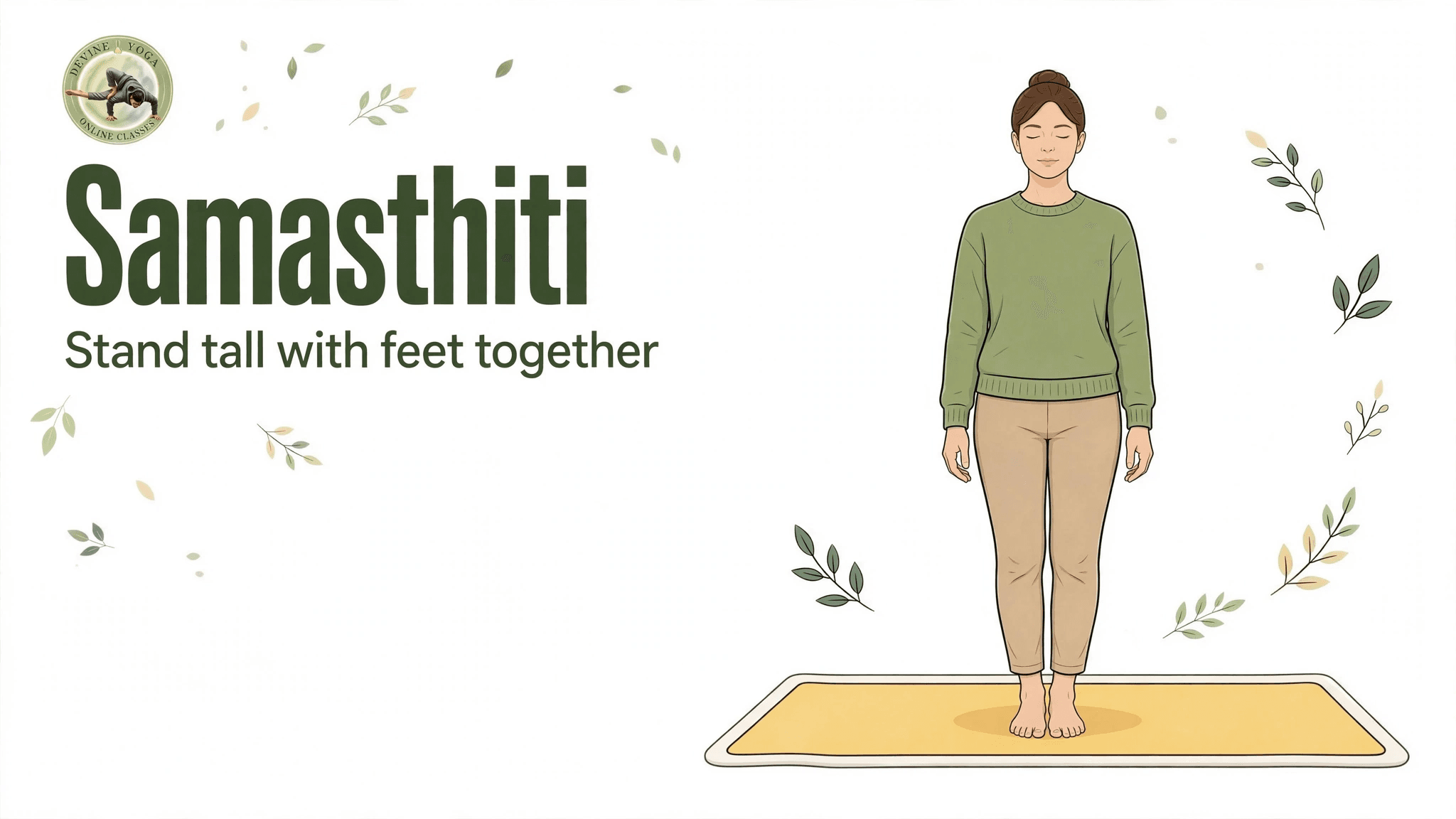
1. Samasthiti
Stand tall with feet together.
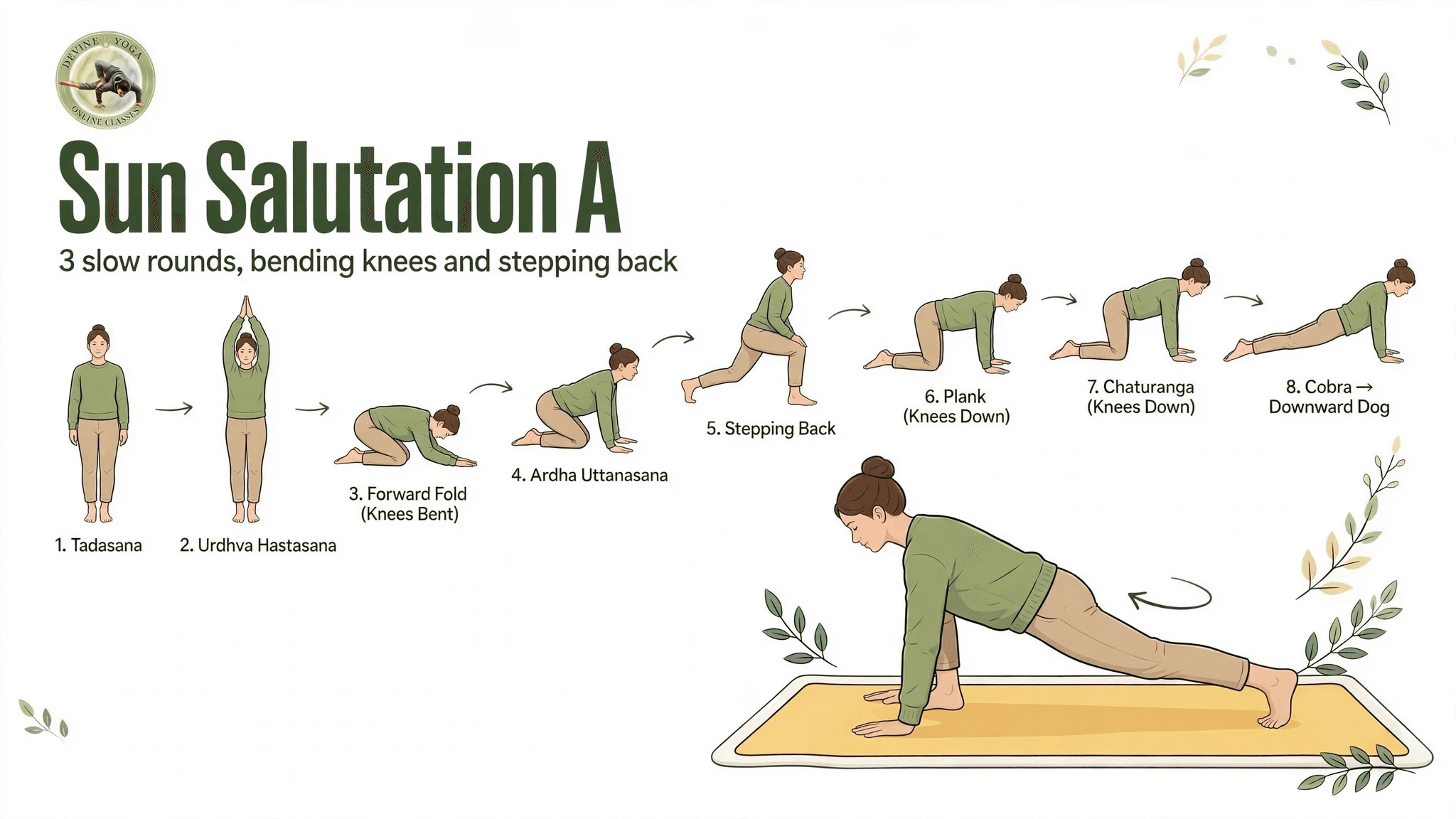
2. Sun Salutation
3 slow rounds, bending your knees and stepping back instead of jumping.
3. Padangusthasana
Forward fold holding your big toes, knees bent.

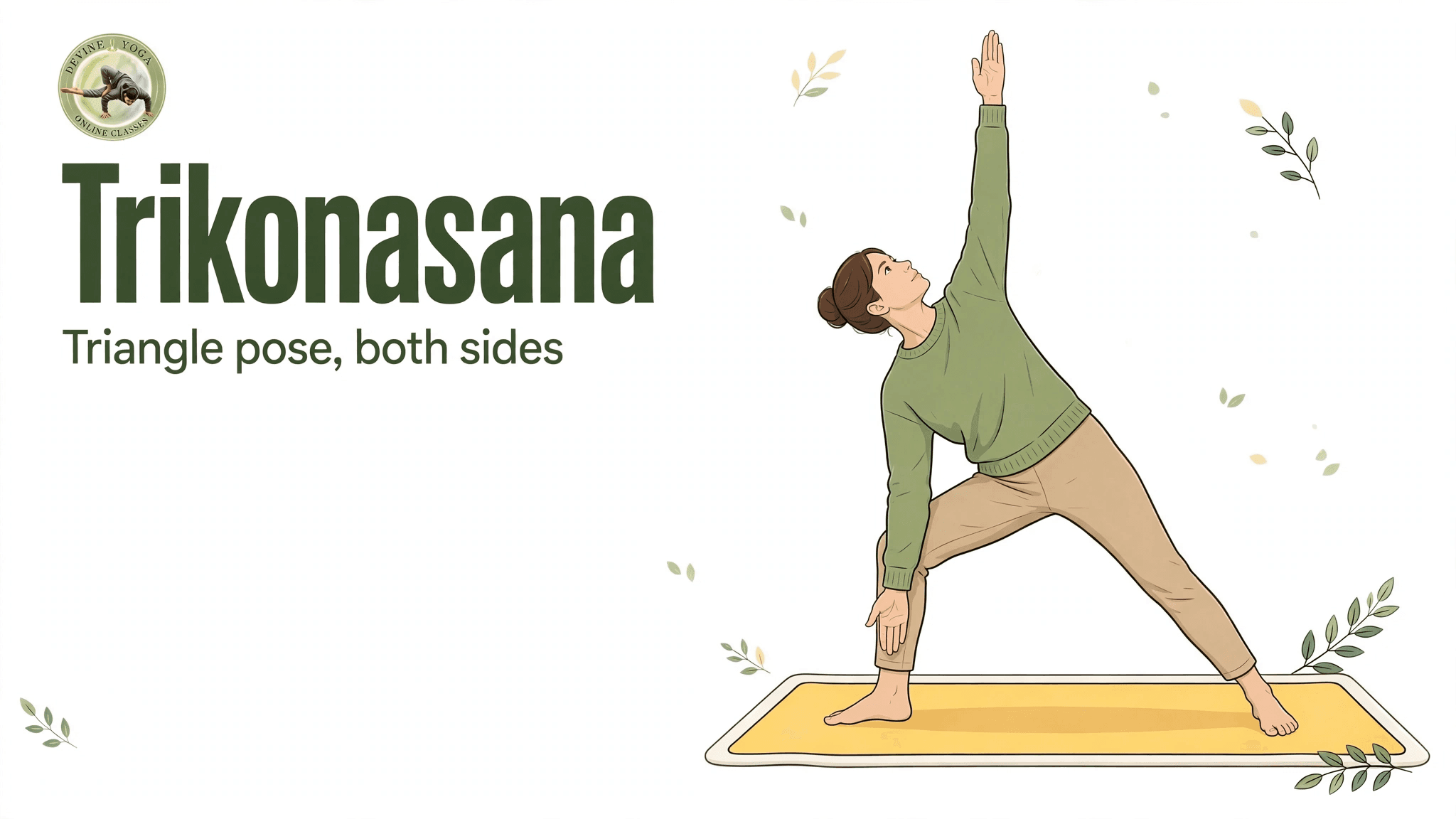
4. Trikonasana
Triangle pose, both sides.
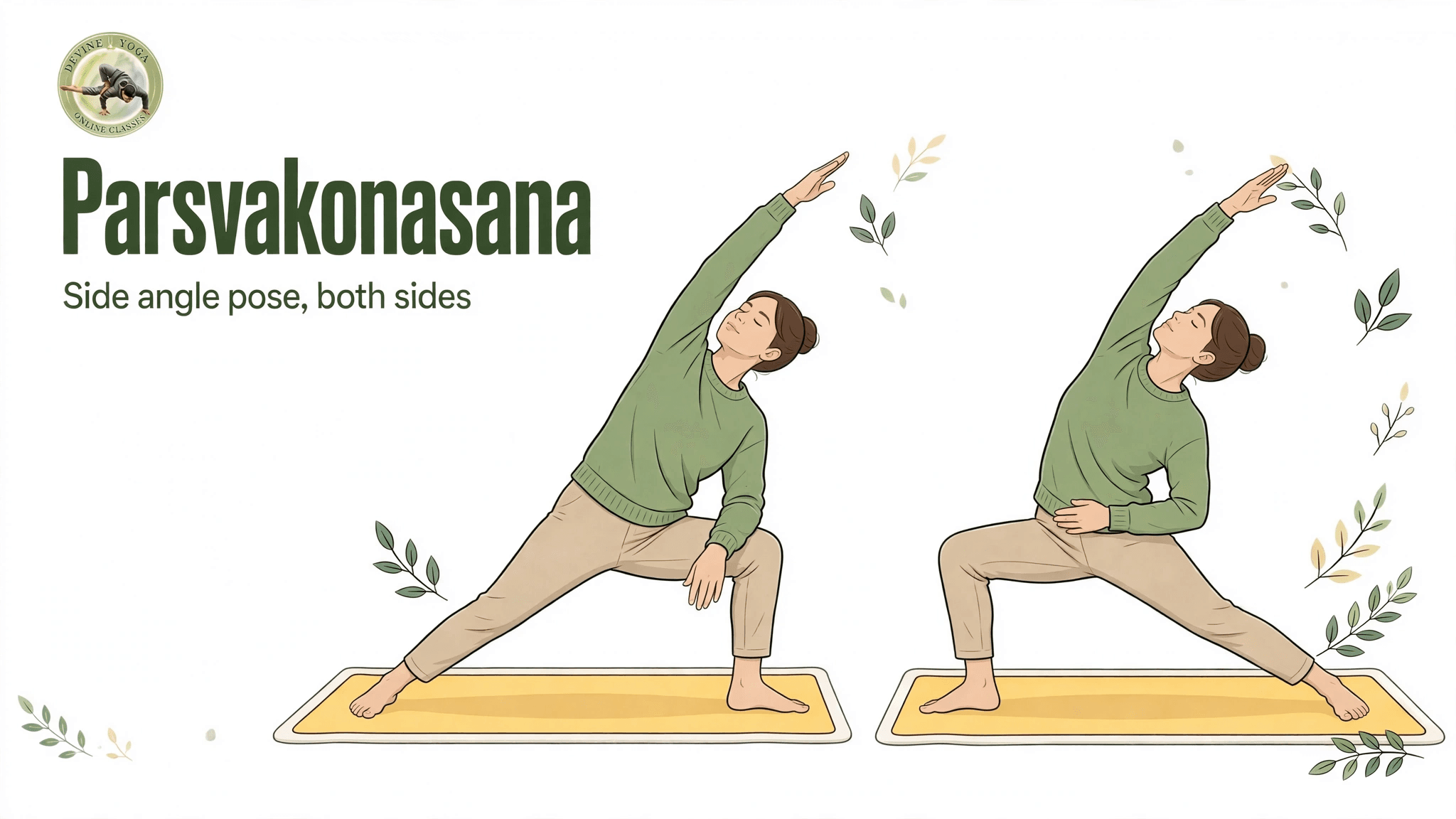
5. Parsvakonasana
Side angle pose, both sides.
6. Paschimottanasana
Seated forward fold, sitting on a blanket.

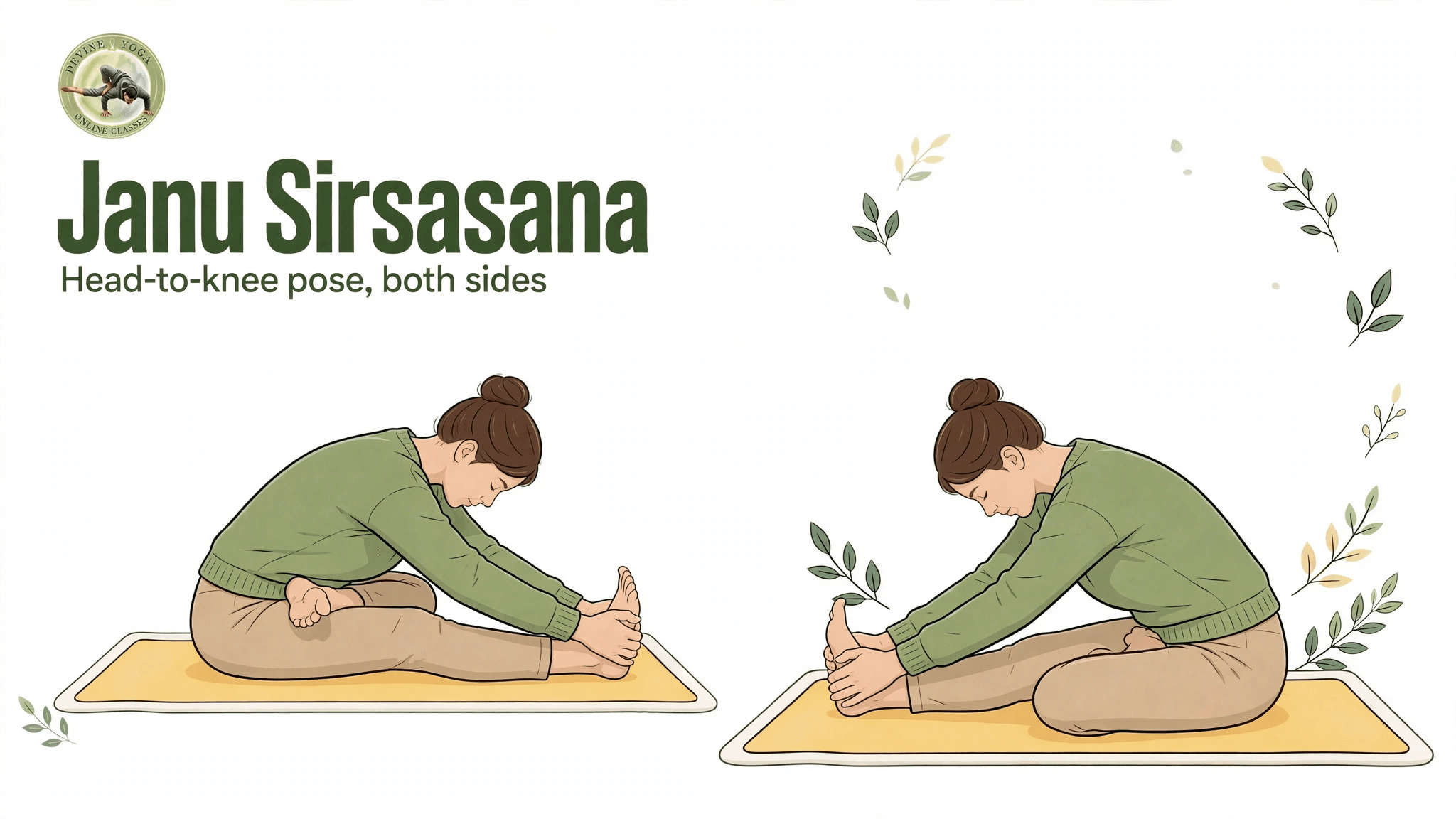
7. Janu Sirsasana
Head-to-knee pose, both sides.
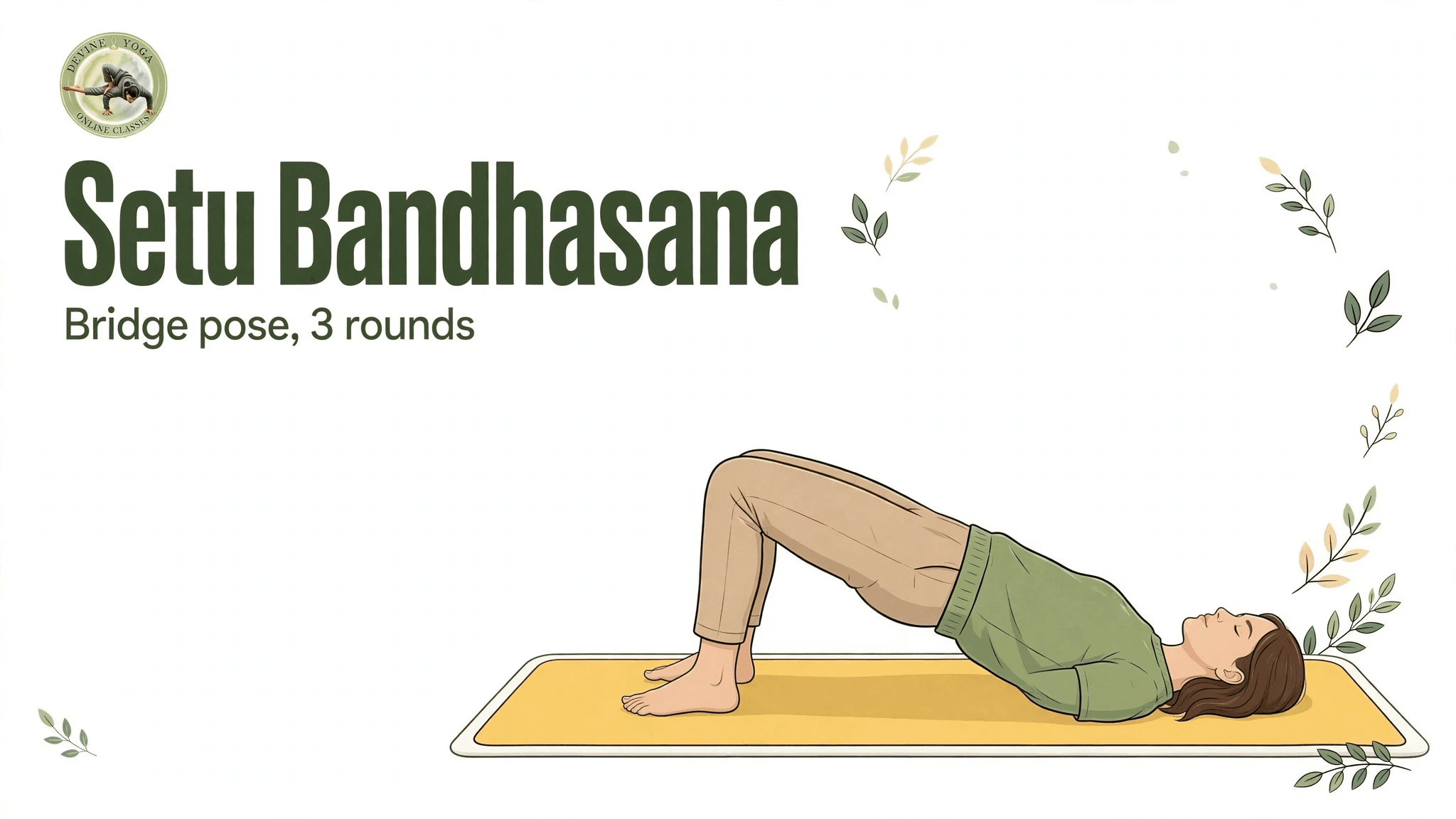
8. Setu Bandhasana
Bridge pose, 3 rounds.
9. Savasana
Rest for 3 to 5 minutes.
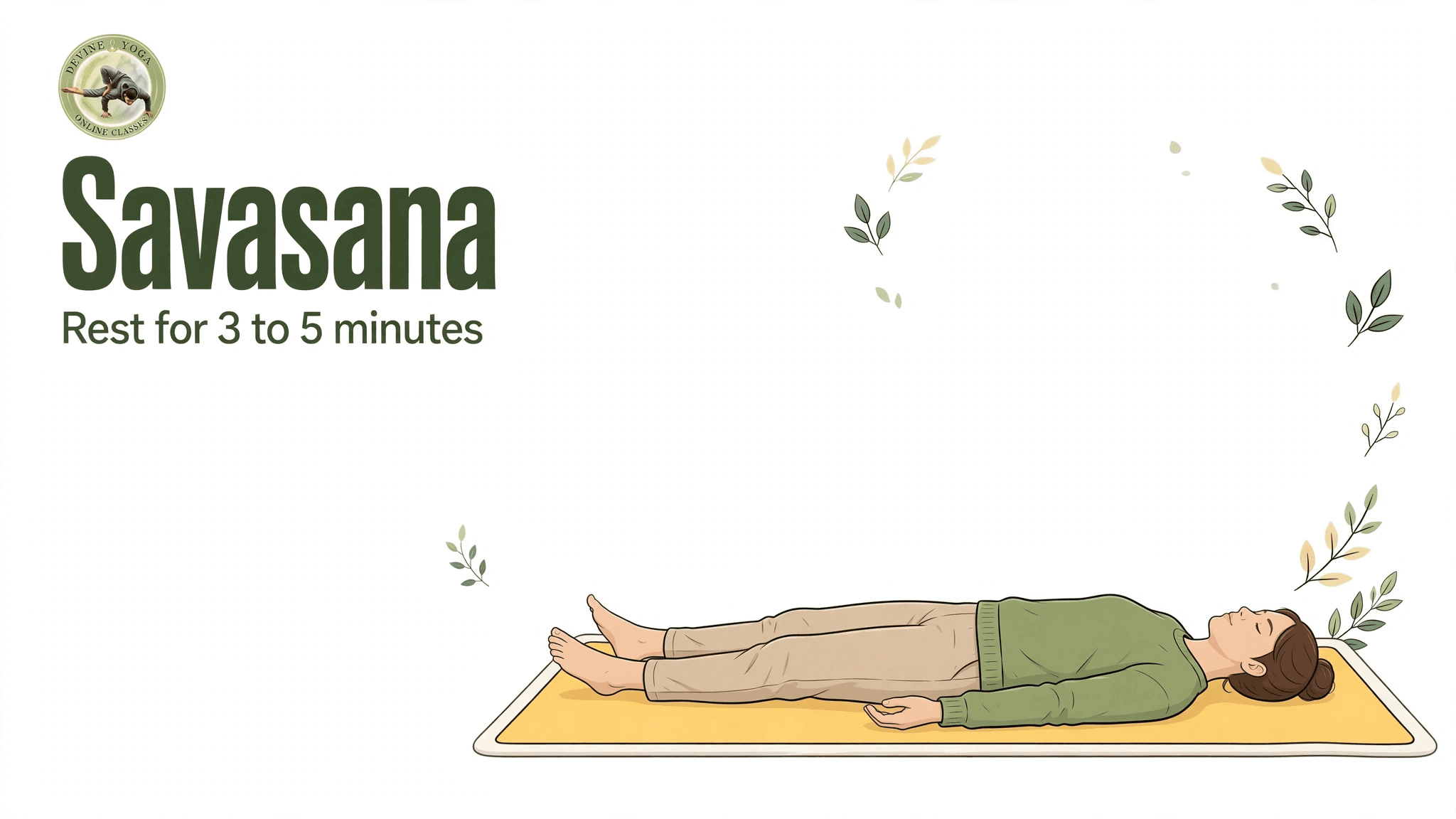
Learn this in a live class if you can, so a teacher can check your form.
Common mistakes to avoid
- Rushing to advanced poses. Progress slowly, as traditional teachers advise.
- Forcing your knees or hips. Knee pain is a signal to stop.
- Doing too many push-ups on weak wrists. Lower your knees when you’re tired.
- Holding your breath. If your breath turns ragged, slow down.
- Skipping Savasana. The final rest is part of the practice.
- Comparing yourself to others. Advanced photos come from years of practice.
Who should be careful?
Talk to your doctor and tell your teacher first if you:
- Are pregnant or recently gave birth
- Have wrist, shoulder, knee, hip or spine injuries, or recent surgery
- Have high blood pressure, a heart condition or a breathing problem
- Have osteoporosis
- Have glaucoma, since some poses are upside down
Stop and rest if you feel dizzy, breathless or sharp pain.
Medical disclaimer: This article is for general education and is not medical advice. Consult a qualified healthcare professional before starting a vigorous yoga practice, especially if you have a health condition.
How does it compare with other styles?
| Ashtanga | Vinyasa | Hatha | |
|---|---|---|---|
| Sequence | Fixed | Changes each class | Varies, often basic |
| Pace | Fast, continuous | Moderate to fast | Slow to moderate |
| Intensity | High | Moderate to high | Low to moderate |
| Best for | Disciplined, active people | People who like variety | Beginners |
Frequently asked questions
How often should I practice?
Traditional practice is six days a week, but beginners should start with three or four short sessions and add time slowly.
Can it help with weight loss?
It is an active practice that supports fitness, but weight loss depends on your overall diet and activity. Yoga alone is not a guaranteed method.
Do I need to be flexible?
No. Flexibility develops with practice. Bend your knees, use a blanket or block and go at your own pace.
What do I need to start?
A mat, comfortable clothes and a little clear floor space. A blanket or block helps.
Try Ashtanga Yoga live. Your first 3 days are free.
Join a live Devine Yoga Online class: a real trainer watches you over video, corrects your poses by name and adapts every move to your body, beginners included.
More types of yoga
Face Yoga
Face yoga combines facial exercises, gentle self-massage, breathing and relaxation.
Explore More
Flow Yoga
Flow yoga, also called vinyasa flow, is a style in which poses are linked together in a continuous sequence.
Explore More
Prenatal Yoga
Prenatal yoga is a gentle practice designed around the changes of pregnancy: a growing belly, a shifting center of balance, looser joints and…
Explore More